

Reader-supported: when you buy through our links we may earn a commission, at no extra cost to you. As an Amazon Associate we earn from qualifying purchases. Learn more
Mesh vs leather office chair is a decision many office managers and remote professionals will face as new seating needs or workplace updates arise in 2026. Both materials promise comfort, aesthetics, and support—but the tradeoffs on cost, durability, user experience, and long-term value remain poorly understood.
Our picks for this guide
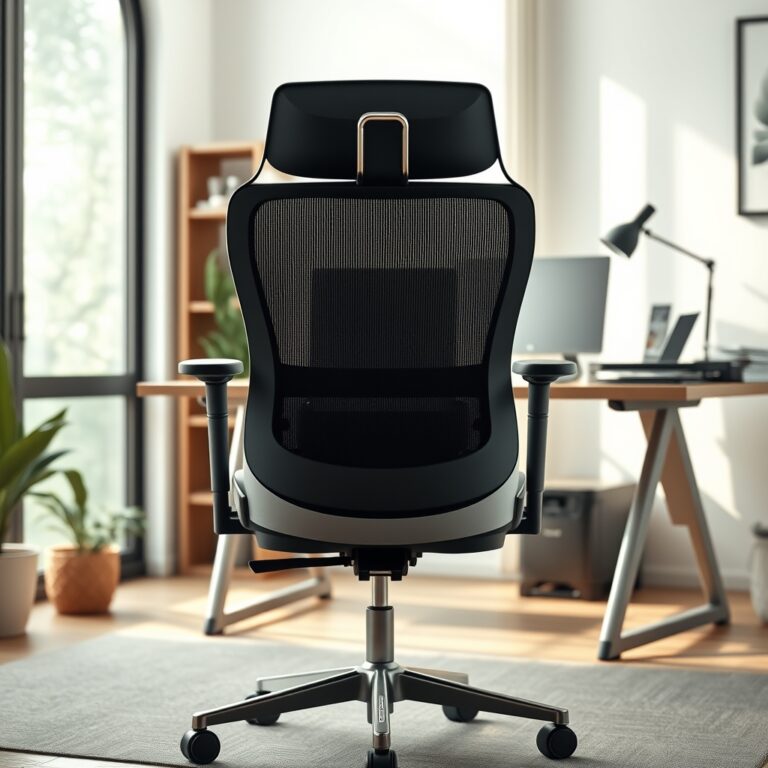
Worth It in 2026?
Breathable high-back mesh with adjustable lumbar support.
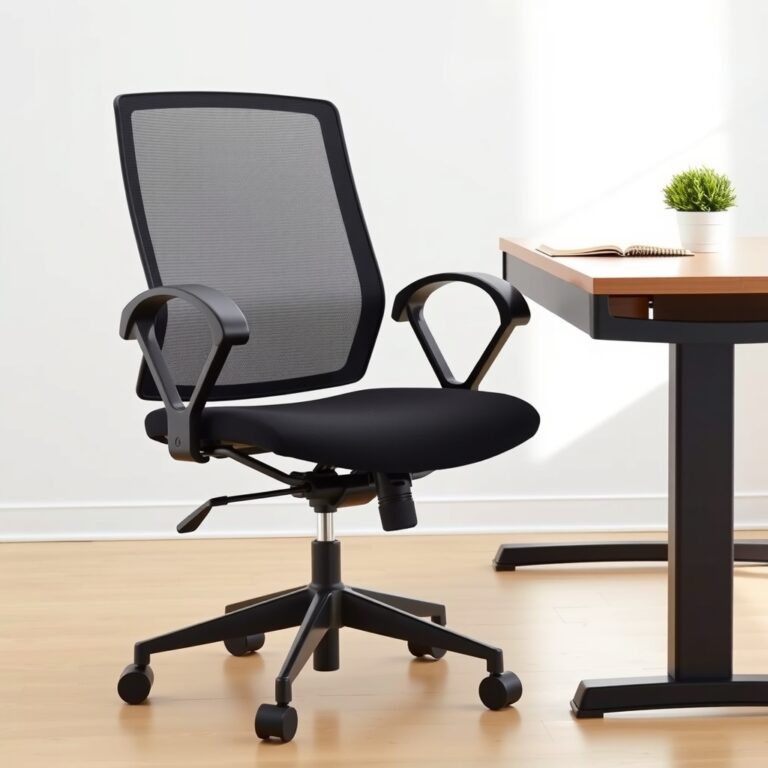
Worth It in 2026?
A light, low-cost mesh chair that stays cool.
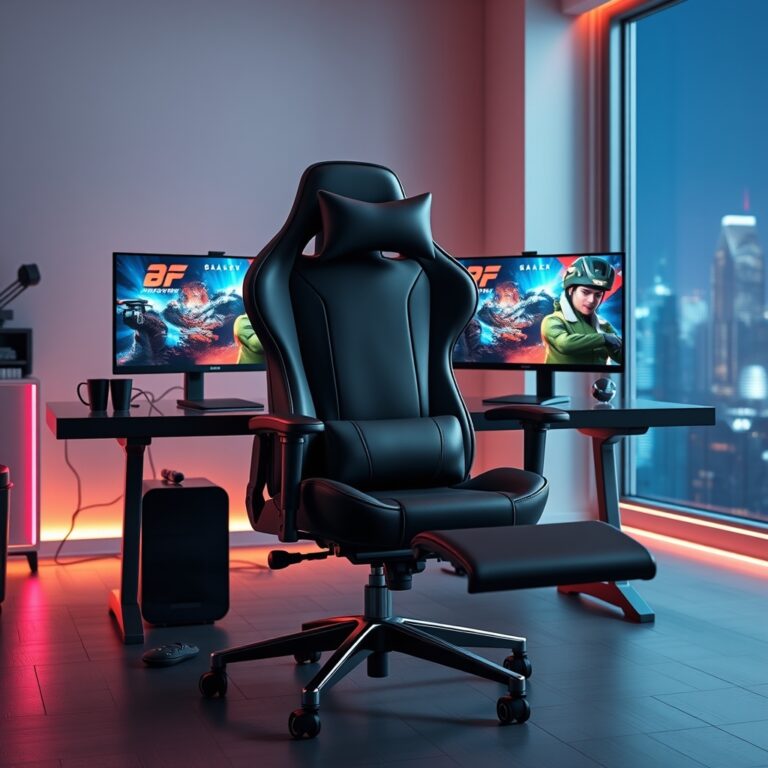
Worth It?
Padded PU leather with a footrest and reclining backrest.
As an Amazon Associate we earn from qualifying purchases, at no extra cost to you. Prices change often, so check the current price on Amazon.
Key Takeaways
- Mesh office chairs hold the largest global market share by material but cost, comfort, and robustness depend on build quality—not just material.
- Mesh chairs generally outperform leather in breathability and long-session comfort, while genuine leather is prized for plushness and a premium look.
- Both mesh and leather lack robust published data on years-in-use durability, ergonomic measurements, and region-specific warranty details—most reviews skip these pain points.
- Mesh vs Leather Office Chair: 2026 Market Comparison
- Durability & Maintenance: Real-World Longevity
- Breathability and Comfort: Which Office Chair for Long Sessions?
- Buyer Pain Points: What Users Wish They Knew
- Gaps in Current Reviews: What Data Do Consumers Still Need?
- Mesh vs Leather Office Chair—Which One Should You Buy in 2026?
- FAQ
Mesh vs Leather Office Chair: 2026 Market Comparison
Office seating trends continue to evolve as remote work, hybrid policies, and workplace design converge.

Yet, the mesh vs leather office chair price divide is shrinking. As of early 2026, mesh chairs are typically available around $70 to $300 (£70 to £250), sometimes topping out a bit higher for advanced ergonomic designs. Leather (both genuine and bonded) ranges from around $70 to $350 (£60 to £300), based on publicly available listings and frontline guides.
The takeaway: While mesh dominates in quantity sold, both categories cover most price points, and buyers should scrutinize the full specification sheet—not just the material—ahead of a purchase. The rise in mesh chairs is partly due to increased demand for breathable office chair and ergonomic features as work hours extend and remote offices grow.
For a broader look at selecting chairs, see our office chair reviews.
Durability & Maintenance: Real-World Longevity
Evaluating leather office chair pros and cons versus mesh starts with lifespan and ongoing care. Quality mesh is repeatedly cited as “resistant to wear” and maintains its tension and appearance longer than cheaper leather blends .
Cleaning methods present a real difference: mesh can be quickly wiped down or vacuumed; deeper mesh stains may require targeted spot-cleaning. Leather, on the other hand, is sensitive to cleaning agents: only designated leather wipes and occasional conditioning are recommended. Skipping routine conditioning leads to faster drying, cracking, or surface wrinkling—an issue especially prevalent in office environments with forced-air heat or sunshine on seats .
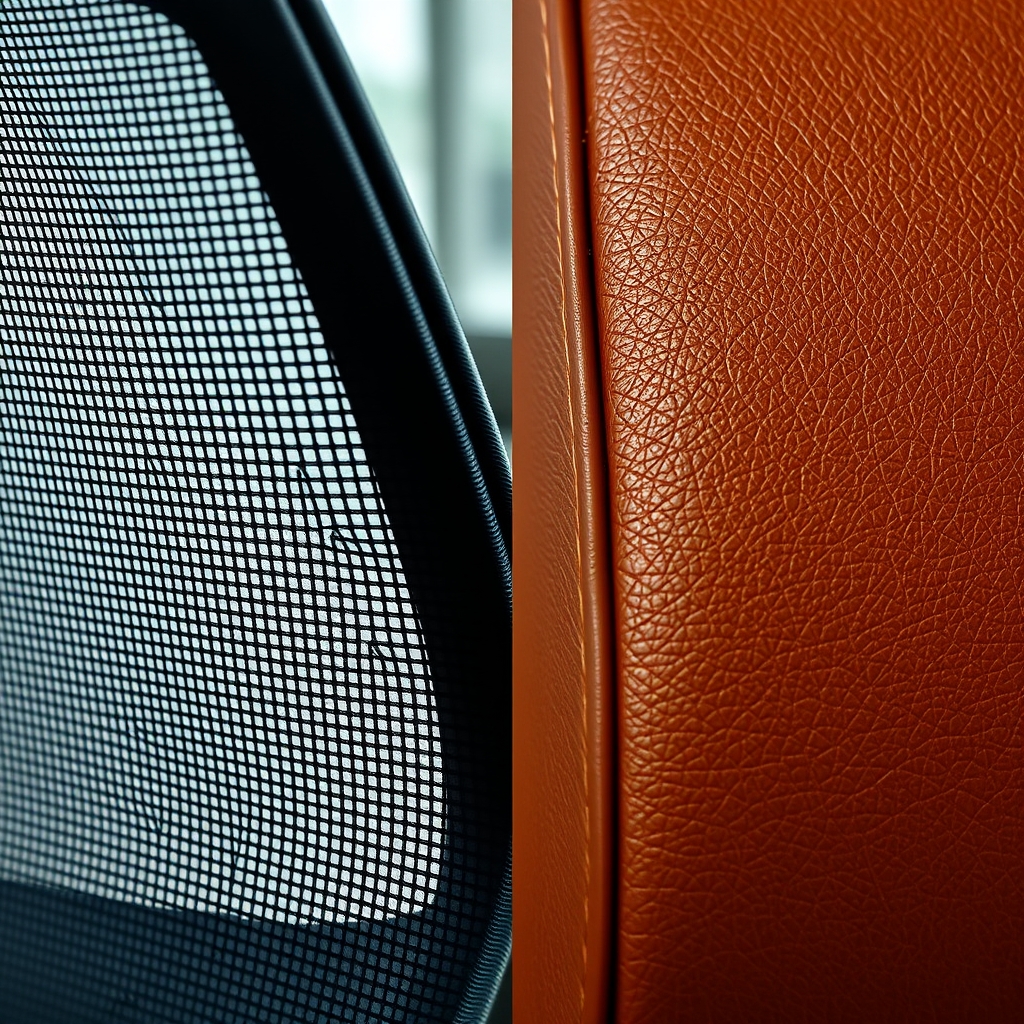
Ongoing durability reports indicate that genuine leather “ages well”—provided it is maintained—but all leather can scratch, while bonded/faux types may visibly peel or separate with daily friction. Meanwhile, quality mesh resists most warping or sagging, though low-cost or over-stretched mesh might eventually lose support.
For budget-sensitive offices, this makes mesh attractive for high-traffic use, but premium leather still carries an executive or upscale appearance valued in reception, conference, or C-suite contexts.
If extended life and low maintenance are key, also consider seat warranty coverage (many users report that warranty terms are unclear at purchase; get specifics in writing). If back health is a main focus, read our guide on the best office chair for back pain.
Breathability and Comfort: Which Office Chair for Long Sessions?
For anyone who works in warm offices, or switches between standing desk and seated setups, the mesh office chair is often favored for airflow. The open-weave back and/or seat let heat and humidity dissipate, reducing sweat and sticking—especially critical during long sessions or summer bursts. Published reviews consistently cite mesh’s “superior breathability” but sometimes note a firmer, less cushioned seat feel compared to padded leather .
For some workers with long sitting periods, this translates into better skin comfort and less sweat. But those preferring plushness or who sit for only short bursts might find mesh less padded or less “luxurious” than leather.
Leather chairs, meanwhile, excel on perceived softness and plush seat comfort—at least initially. However, users frequently report that leather, especially real leather, “retains heat” and can feel clammy or too warm during extended use. The upside: leather is slow to pick up odors, resists stains if wiped promptly, and gives a classic or executive look.
Support matters, too: mesh chairs often have more advanced lumbar adjustments and are lighter to move, while leather models can feature thicker pads but sometimes lack refined back-shaping, especially in cheaper ranges. If you’re deciding for remote teams or a shared workspace, consider your team’s climate and daily seat time as much as the chair’s price tag or look.
If workspace size is a limiting factor, explore our guide on selecting a standing desk for small spaces.
Buyer Pain Points: What Users Wish They Knew
Despite all the marketing promises, real-world users and independent reviews routinely flag pain points that are easy to overlook when choosing between mesh vs leather office chair options:
| Key Pain Point | Mesh Chair | Leather Chair |
|---|---|---|
| Seat Firmness | Can feel stiff or rigid after hours, especially thinner mesh seats. | More cushioned, but padding may compress over years. |
| Sweat/Heat Retention | Excellent breathability, rarely causes sweat buildup. | Retains heat; can lead to sweat in warm climates or under pressure points. |
| Cleaning/Ease of Care | Quick vacuum or wipe-down; deeper stains may be tricky. | Requires more careful cleaning; conditioner recommended. |
| Wear/Durability | Mesh can sag or lose tension if overloaded; quality mesh lasts well. | Genuine leather ages gracefully; bonded/faux can peel or crack. |
| Warranty Transparency | Many brands vague on coverage details in product listings. | Ditto for leather; ask for written terms before buying. |
For more on setting up for comfort, see our ergonomic home office guide.
Reviewers also point out that leather office chair pros and cons are rarely spelled out upfront. For mesh, people sometimes complain of a “trampoline” effect or sagging if poorly constructed, while leather owners lament peeling or splitting after a year or two if they purchased bonded types.

Warranty lengths, return windows, and after-sales support are still inconsistent regardless of material. Always check regional return policies and warranty specifics before purchase—especially for higher-priced or imported chairs.
If mixing sitting and standing is on your radar, compare material needs by reading our standing desk vs sitting desk comparison.
Gaps in Current Reviews: What Data Do Consumers Still Need?
The mesh vs leather office chair conversation remains frustratingly light on hard numbers. Most online reviews (even detailed “expert” ones) lack:
- Standardized Durability Testing. There’s no published wear-cycle or years-in-use testing from neutral labs to confirm whether “mesh lasts longer” than “genuine leather ages gracefully.”
- Objective Ergonomic Metrics. Pressure-mapping, lumbar-support force measurements, or head-to-head thermal comfort ratings are rarely, if ever, reported. This means comfort advice is subjective rather than lab-backed.
- Detailed Cost and Warranty Data by Region. Region-specific pricing, average expected lifespan, and local after-sales/warranty support variability are almost never broken out clearly in public reviews.
Until these gaps are filled, buyers face a market shaped by anecdote and first impressions—not long-term data.
Mesh vs Leather Office Chair—Which One Should You Buy in 2026?
Here’s a rapid decision framework to help office managers, remote professionals, and ergonomics-conscious teams:
- For hot climates, long work sessions, or shared spaces: Mesh office chairs typically provide better day-long comfort and airflow. Look for models with reinforced edges and seat pans for durability, and check for lumbar adjustments.
- For aesthetics, plush feel, or executive settings: Leather chairs (especially genuine, not bonded) deliver a premium look and softer touch. Prioritize real leather and condition regularly; budget for replacement earlier if buying bonded/faux.
- For cost-conscious buyers: Quality mesh and entry-level leather/faux-leather overlap in price; avoid the lowest-cost models in both categories, as these often have the shortest life and poorest after-sales support.
- For durability and easy care: Mesh wins if maintenance must be minimal; leather may better suit low-usage offices or visible representative spaces if maintained.
The best approach: Prioritize comfort, maintenance, and warranty coverage before looks. When possible, test both types in person. For complete chair reviews and setups, follow our office chair reviews and standing desk guide.
For more context, see the original data from Fortune Business Insights or read another side-by-side at T3.
Keep reading
- Our office chair reviews: ergonomic, mesh, executive and gaming chairs compared.
- Standing desks: what to look for before you buy.
- How to set up an ergonomic home office: a step-by-step guide.
FAQ
Which lasts longer: mesh or leather office chairs?
High-quality mesh often resists everyday wear and sagging better than low-cost leather or bonded leather, which may crack or peel over time. Genuine leather can last many years if conditioned regularly, but no robust third-party comparisons on actual lifespan exist as of 2026.
Are mesh office chairs really more comfortable for long work sessions?
Many users find mesh office chairs more breathable and comfortable for long sitting periods, especially in warm climates or workplaces without air conditioning. Mesh reduces sweating and sticking—although some people prefer the plusher feel of leather for short stints.
How should you clean and maintain mesh and leather chairs?
Mesh chairs can typically be wiped down with a damp cloth or vacuumed with a brush attachment. Leather (especially genuine) needs periodic cleaning with leather wipes and conditioning to prevent drying and cracking. Avoid harsh detergents on either material.
What should I watch out for when buying a leather office chair?
Check if the chair uses genuine or bonded leather—bonded or “PU” leather looks similar but may peel or crack in as little as 1–2 years with regular use. Always read (and ask for) detailed warranty conditions before purchase.
Why do so few reviews cover warranty or long-term performance?
Most retail listings and online reviews only reference initial impressions or official specs—not real years-in-use data or warranty results. Ask for clear warranty documentation and verify local service policies, especially for higher-cost chairs.
—
Ready to choose?
Worth It in 2026?
Breathable high-back mesh with adjustable lumbar support.
Worth It in 2026?
A light, low-cost mesh chair that stays cool.
Worth It?
Padded PU leather with a footrest and reclining backrest.
As an Amazon Associate we earn from qualifying purchases, at no extra cost to you. Prices change often, so check the current price on Amazon.