

Reader-supported: when you buy through our links we may earn a commission, at no extra cost to you. As an Amazon Associate we earn from qualifying purchases. Learn more
Standing desk vs sitting desk: the choice affects not just your workspace, but your health, productivity, and long-term costs. In the last two years, the global shift toward hybrid work and employee wellness has changed the way offices think about ergonomics. But is the hype around standing desks truly justified, or are there hidden drawbacks? A realistic, research-driven exploration is essential for professionals aiming to make a smart investment.
Our picks for this guide
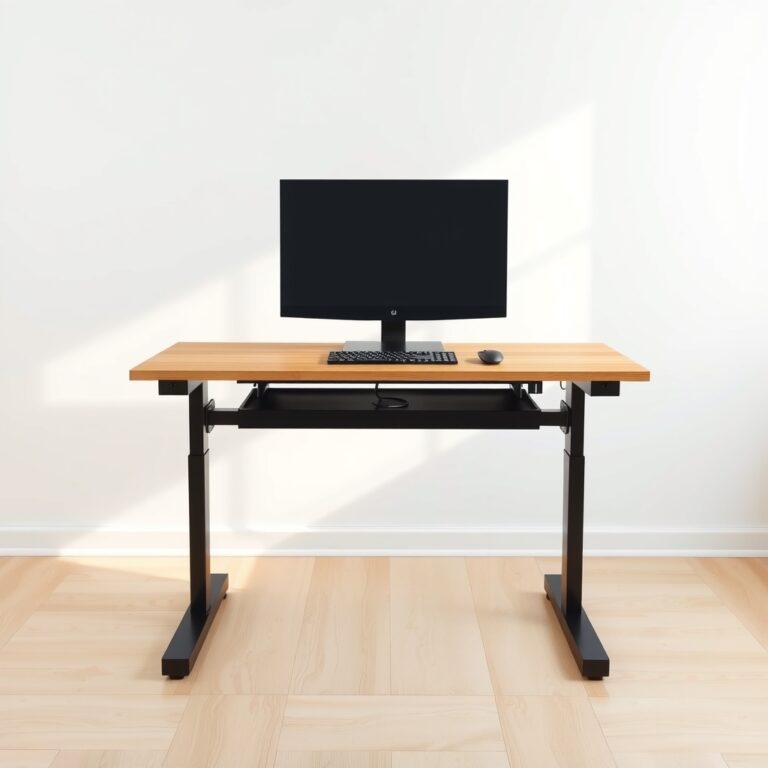
Electric standing desk
Switch positions at the press of a button; dual motors are steadier.
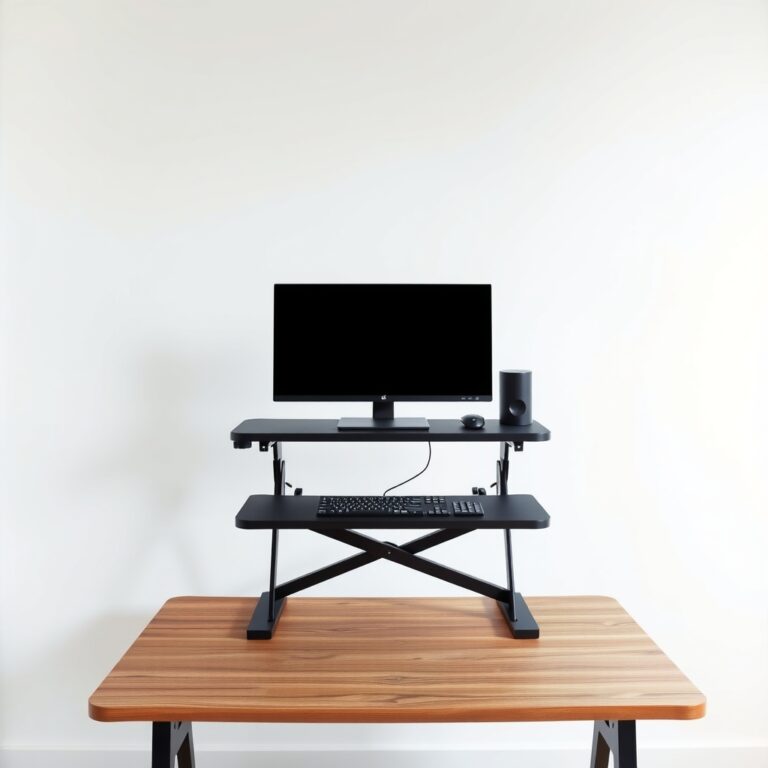
Standing desk converter
Turns your current desk into a sit-stand setup.
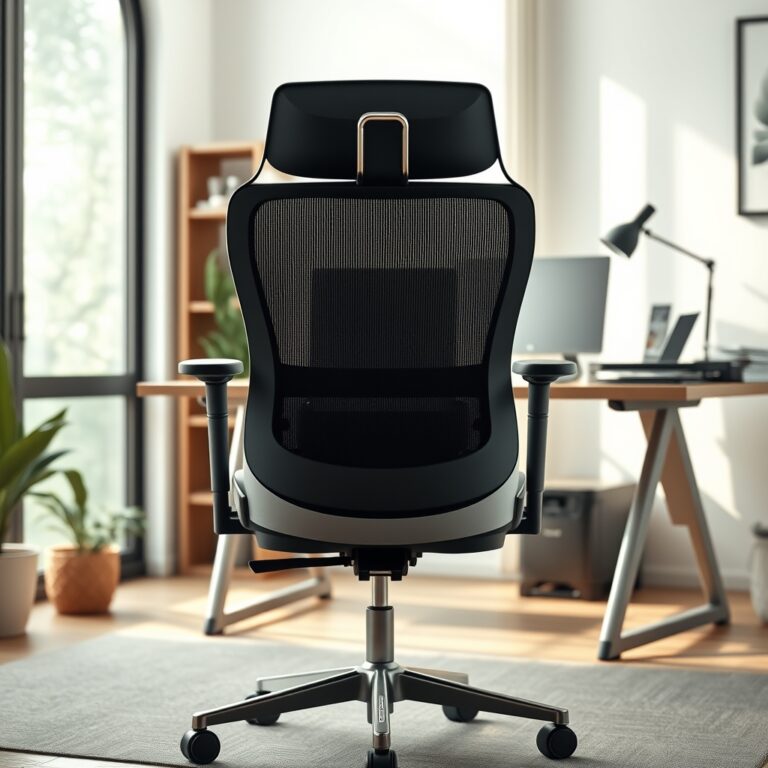
Worth It in 2026?
An ergonomic chair still matters when you sit most of the day.
As an Amazon Associate we earn from qualifying purchases, at no extra cost to you. Prices change often, so check the current price on Amazon.
Key Takeaways
- Standing desks reduce sedentary time and related health risks, but may introduce leg fatigue, varicose vein risk, and workspace tradeoffs.
- Switching postures, not just standing, is key—full ergonomic value depends on alternating sitting and standing throughout your workday.
- Standing Desk vs Sitting Desk – How the Market Has Shifted in 2026
- What You Get for Your Money: Specs & Price Ranges Compared
- Sit Stand Desk Benefits: What Science and Users Actually Report
- Are Standing Desks Worth It? Health and Long-Term Value Analysis
- User Pain Points—And What Most Reviews Don’t Tell You
- What’s Missing: Health Outcomes, Cost Over Time, and Industry Case Studies
- Conclusion
- FAQ
Standing Desk vs Sitting Desk – How the Market Has Shifted in 2026
The conversation around standing desk vs sitting desk has evolved rapidly since the pandemic.
Traditional sitting desks continue to dominate in certain sectors (e.g., finance, law), but the increased adoption of hybrid work and wellness initiatives is tilting the scales. Modern organizations are prioritizing investments in setups that combat long hours of sedentary sitting, hoping to reduce employee health risks and boost engagement—a key mandate for HR managers and remote teams alike.

What You Get for Your Money: Specs & Price Ranges Compared
Pricing for sit-stand solutions spans a wide range, reflecting differences in adjustability, build quality, and operation type. As of mid-2026:
- Electric standing desks: typically around $300–$1,200+ at the time of writing depending on motor (single-motor versions are more budget-friendly, dual-motor versions are more stable and can reach premium price tiers).
- Manual standing desks: usually $250–$900 at the time of writing, using crank or pneumatic lifts.
- Desk converters: add-on risers designed to sit atop a conventional desk, starting at around $50 and reaching $500 for large, multi-tiered versions.
Height adjustment is crucial for comfort and ergonomics. Most standing desks on the market now cover a range from approximately 22.5″ to 48.5″, with standard ergonomic requirements suggesting adjustability to fit the 50th percentile of both men and women (e.g., seated 24.5″–standing 41.3″ for women, seated 26.5″–standing 44.8″ for men) . In comparison, traditional sitting desks generally have a fixed height—typically 29″–30″—which limits adaptability and can introduce postural strain, especially for shorter or taller users.
Features now commonly offered in standing desks include programmable height presets, anti-collision sensors, and cable management—functions rarely seen in basic stationary desks. For those setting up a home office or managing changing team needs, flexibility and easy transition between sit and stand modes is a key benefit.
For more on outfitting small rooms or multipurpose workspaces, see our guide on standing desk for small spaces.
For deeper setup tips, check out our step-by-step guide to how to set up an ergonomic home office—it covers desk, chair, and monitor heights in detail.
Sit Stand Desk Benefits: What Science and Users Actually Report
Recent studies and large-scale surveys present a nuanced view of sit stand desk benefits. Key research highlights include:
- Rates of reported back pain are about one-third lower for people using sit-stand desks (as of 2024).
However, both academic studies and user reviews stress that benefits plateau—or even reverse—if workers stand for extended periods without breaks. Commonly cited limitations or risks of excessive standing include leg and foot fatigue, swelling, and—for those predisposed—an increased risk of varicose veins. Experts recommend alternating postures every 30–60 minutes; simply swapping all-day sitting for all-day standing does not guarantee better health outcomes.
Many users also report experiencing a surge of alertness and energy when standing, but this effect may diminish over long sessions. Those new to sit-stand setups often benefit from anti-fatigue mats, supportive shoes, and a gradual increase in daily standing time.
If you struggle with persistent back pain, the right office chair for lower back pain can complement a sit-stand setup for more relief through posture variation.
Are Standing Desks Worth It? Health and Long-Term Value Analysis
The value of a standing desk extends beyond surface-level “pros and cons.” Official health bodies like the EU-OSHA and multiple systematic reviews point out that prolonged static sitting increases the risk of back pain, cardiovascular disease, diabetes, and certain cancers. Switching to a sit-stand desk can break up extended sedentary periods, which has measurable health benefits—but relying exclusively on standing introduces its own concerns, such as leg fatigue and varicose vein potential .
Few studies have quantified precise long-term cost benefits, but researchers and industry analysts agree that organizations adopting sit-stand workstations often realize lower rates of musculoskeletal complaints and absence. In practice, any cost justification should include:
- Potential reductions in healthcare spending (fewer sick days, less back/neck pain)
- Productivity improvements from higher engagement and alertness
- Depreciation over time—higher quality electric desks may last longer and offer better ergonomics, supporting long-term ROI
Ultimately, standing desks are most “worth it” when combined with proper ergonomic office chairs and regular movement, rather than approached as a one-size-fits-all fix.
For a deeper dive into ergonomics, see how desk solutions integrate with our best office chair for back pain picks for all-day usability.
User Pain Points—And What Most Reviews Don’t Tell You
Real-world feedback and physical studies reveal several consumer challenges that are underreported in typical buying guides:
| Standing Desk Common Pain Points | Sitting Desk Common Pain Points |
|---|---|
| Leg and foot fatigue, swelling | Static sitting promotes back, neck, and shoulder pain |
| Potential for varicose veins if standing too long | Ergonomics limited by fixed height (typically ~29″) |
| Wobble or instability, especially at taller settings on budget models | Can’t accommodate multiple users in shared offices |
| Reduced desk depth—top-mounted converters often shrink usable workspace | Lack of adjustability, leading to increased use of makeshift risers or footstools |
| Noisy or slow electric motors (in cheaper models), potential for malfunctions | May foster more sedentary habits, especially in remote work |
Some subtle tradeoffs—like needing to reorganize your computer cable setup or investing in accessories (anti-fatigue mats, supportive shoes)—are rarely explained in surface-level reviews. Similarly, sit-stand converters can overload standard desks, leading to stability or weight capacity issues over time.
On the sitting side, the inability to personalize workstation height means certain body types are perpetually out of “ergonomic neutral,” which over years can contribute to musculoskeletal strain. Poor posture isn’t always the worker’s fault—it’s often a limitation of the workspace itself.
Those setting up compact offices or apartments may face even more challenges; see our specialist advice on standing desk for small spaces for tailored solutions.

What’s Missing: Health Outcomes, Cost Over Time, and Industry Case Studies
While there is plenty of general commentary available, most standing desk vs sitting desk comparisons lack depth in three critical areas:
- Health outcomes: Beyond initial comfort, very few resources provide long-term health tracking data after switching to adjustable desks. Greater clarity is needed on the sustained benefits and potential unintended consequences over years of use.
- Actual cost of ownership: Many reviews mention up-front price but fail to address ongoing value. Issues such as desk repair/replacement cycles, employee absenteeism, and secondary costs (like anti-fatigue mats, ergonomic chairs, or accessories) can tilt the balance.
- Industry-specific evidence: Case studies from education, healthcare, or creative sectors could reveal how different jobs and ages respond to sit-stand adoption, but these stories remain rare in mainstream coverage[source].
For a futureproof, research-driven purchase, seek vendors or consultants who openly share outcome data and client stories from environments comparable to your own.
Conclusion
Choosing between a standing desk vs sitting desk in 2026 is no longer a simple “trend vs tradition” decision. The research shows that while standing desks offer legitimacy for health and productivity, they also introduce new ergonomic tradeoffs—particularly if used without posture breaks or with entry-level accessories. The best results come from approaches that encourage changing positions, combine high-quality furniture, and address the unique demands of your role and workspace.
Ready to upgrade your workspace? Explore our office chair reviews and detailed standing desk guide for actionable recommendations, setup tips, and comparisons tailored to real-world needs.
Standing desk vs sitting desk isn’t about picking sides—it’s about building a dynamic, adaptable workstation that works for you.
Keep reading
- Our office chair reviews: ergonomic, mesh, executive and gaming chairs compared.
- Standing desks: what to look for before you buy.
- How to set up an ergonomic home office: a step-by-step guide.
FAQ
Are standing desks really better for your health?
Standing desks can help reduce the health risks associated with prolonged sitting, such as back pain and cardiovascular problems. However, excessive standing without breaks can lead to new issues such as leg fatigue and, for some people, increased risk of varicose veins. Alternating between sitting and standing is recommended for best results.
How often should I switch between sitting and standing?
Research and expert ergonomic guidelines suggest alternating posture every 30–60 minutes. Many users find a pattern such as 40 minutes sitting, 20 minutes standing, then a short walk or stretch, works well for energy and comfort.
Do standing desks fit all users?
Most adjustable standing desks on the market today cover a height range suitable for average adults, but very short or very tall users may need to check minimum and maximum heights before purchase. Desk converters may not offer the same ergonomic flexibility as full desks.
Are electric standing desks worth the extra cost?
Electric models provide easier, quieter, and more frequent height changes—supporting better posture variation. For shared workspaces or individuals with limited hand strength, they often justify their higher price tag through convenience and durability.
What workspace accessories do I need for a sit-stand desk?
Anti-fatigue mats, supportive shoes, and an ergonomic office chair are recommended. Monitor arms or risers can also help keep your screens at eye level when changing desk heights.
—
Ready to choose?
Electric standing desk
Switch positions at the press of a button; dual motors are steadier.
Standing desk converter
Turns your current desk into a sit-stand setup.
Worth It in 2026?
An ergonomic chair still matters when you sit most of the day.
As an Amazon Associate we earn from qualifying purchases, at no extra cost to you. Prices change often, so check the current price on Amazon.