

Reader-supported: when you buy through our links we may earn a commission, at no extra cost to you. As an Amazon Associate we earn from qualifying purchases. Learn more
How to set up an ergonomic home office is a crucial question for remote professionals in 2026. With injuries from makeshift home setups rising fast and employer stipends often lagging behind actual equipment costs, understanding real ergonomic essentials—and avoiding common pitfalls—can protect your health and boost your performance long-term.
Our picks for this guide
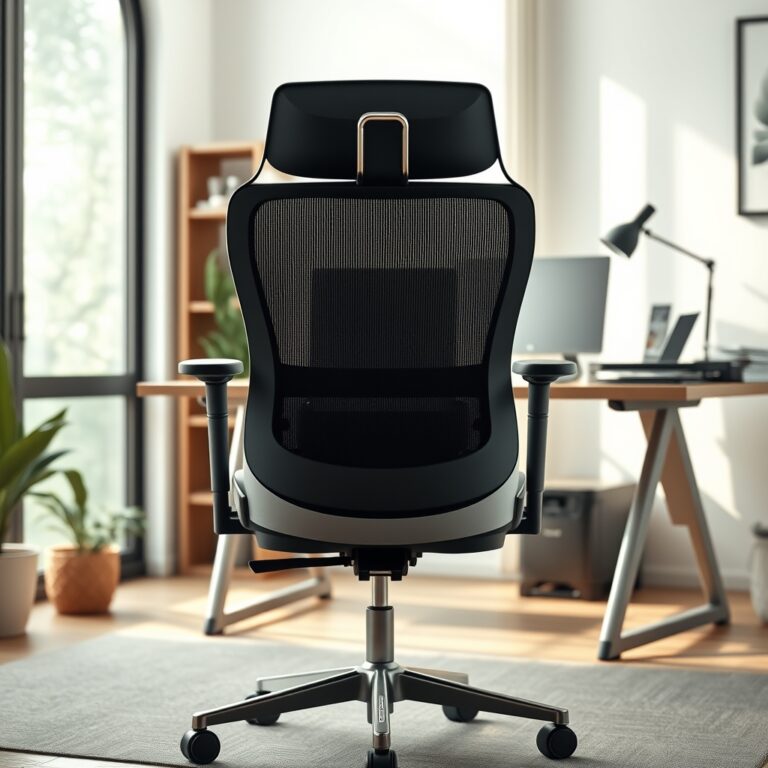
Worth It in 2026?
Adjustable lumbar, 3D armrests and headrest for long workdays.
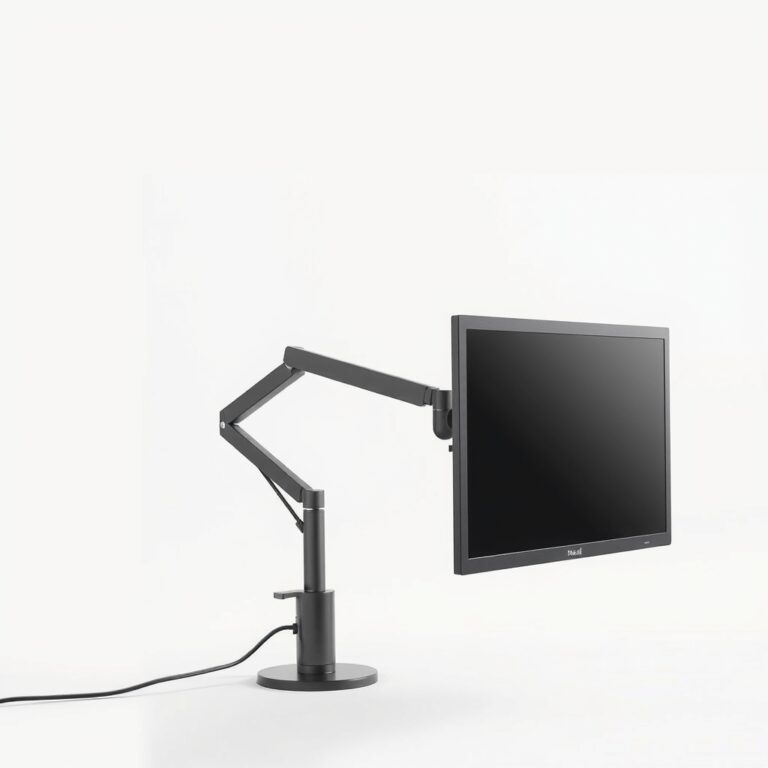
Monitor arm
Puts your screen at the right height and frees desk space.
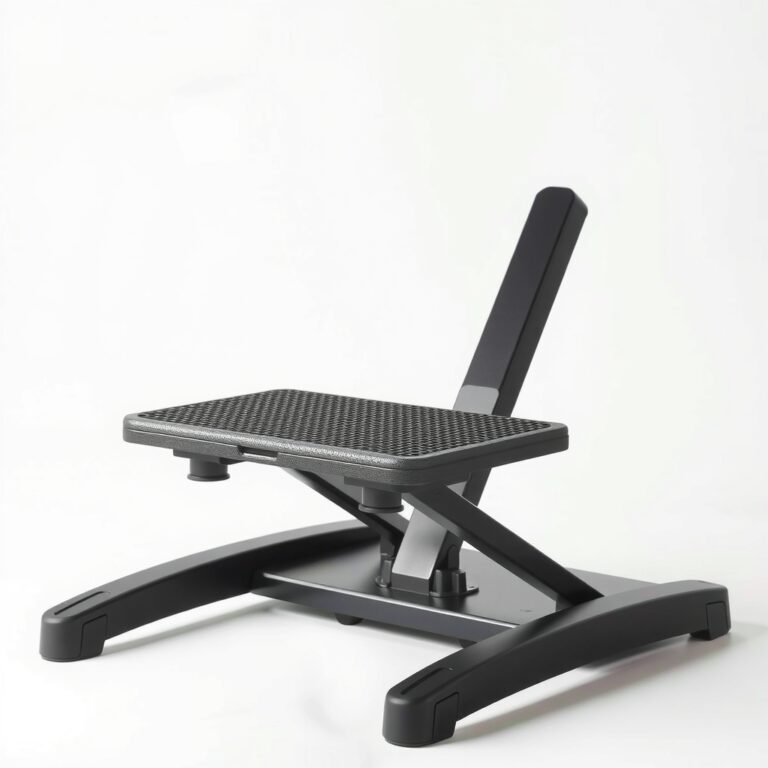
Under-desk footrest
Helps shorter users keep feet supported and knees at about 90°.
As an Amazon Associate we earn from qualifying purchases, at no extra cost to you. Prices change often, so check the current price on Amazon.
Key Takeaways
- Neck, shoulder and lower-back discomfort are common complaints among people who work at a desk, and a poorly set up home office makes them more likely.
- Setting up an ergonomic home office requires precise adjustment of monitor and chair height, smart budgeting to maximize stipends, and awareness of the most common product flaws in 2026.
- Investing in ergonomics is directly linked to fewer injuries and higher productivity—making it a strategic move, not just a comfort upgrade.
- Why Ergonomics Matter More Than Ever for Remote Workers in 2026
- Essential Steps for an Ergonomic Desk Setup
- Budgeting for an Ergonomic Home Office: Real Costs and Smart Stipend Strategies
- What Reviewers Complain About Most: Common Ergonomic Product Pitfalls
- Going Beyond Posture: Visual Ergonomics and Long-Term Wellness
- Measuring the ROI: How Ergonomic Investments Cut Injuries and Boost Productivity
- Conclusion
- Frequently Asked Questions
Why Ergonomics Matter More Than Ever for Remote Workers in 2026
Remote work is now common, but many home offices are not set up for comfort. Neck pain and lower-back pain are among the most frequent complaints from people who sit at a desk all day, and digital eye strain is a common problem for anyone who spends most of the day looking at screens.
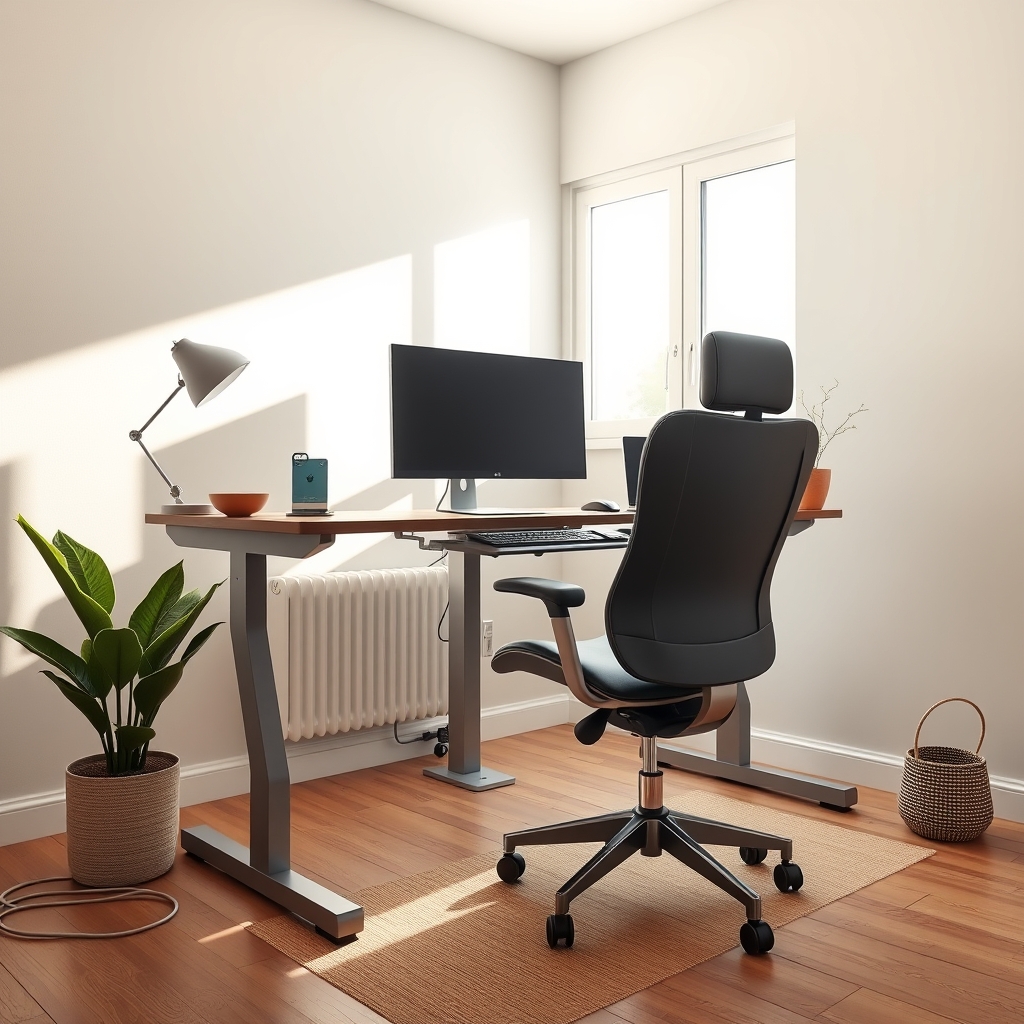
Some employers now offer a home office stipend, but it rarely covers a full ergonomic setup. Without a plan, many people end up improvising with chairs and desks that do not adjust to their body.
There’s a growing awareness that knowing how to set up an ergonomic home office is foundational for sustainable remote work. For those already experiencing discomfort—or for those wary of developing MSDs—smart adjustments and purchases are not optional. They’re essential.
Essential Steps for an Ergonomic Desk Setup
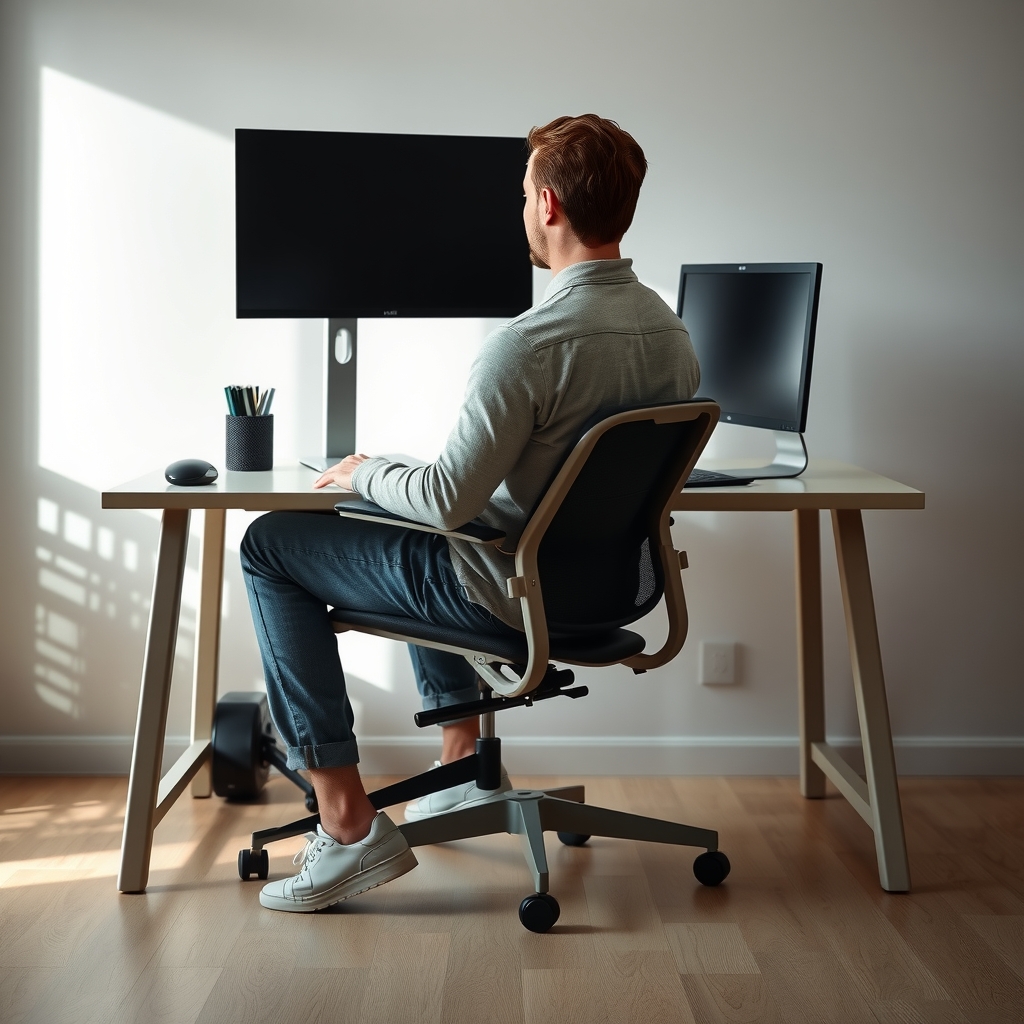
Knowing the correct ergonomic desk setup isn’t just for office-space designers—remote professionals can apply science-backed steps at home to reduce injury risks. Here is a straightforward process:
- Adjust monitor height so the top edge is at or slightly below eye level. Monitors should be placed at arm’s length—roughly 20-40 inches from your face (Hinomi, 2025).
- Set desk height so your forearms are parallel to the floor when typing; elbows should reach a natural 90-degree angle.
- Choose chair height enabling feet to rest flat, thighs parallel to the floor. Adjustable chairs are preferred.
- Keep wrists neutral and avoid bending up or down when typing. Position input devices within easy reach to minimize stretching.
- Organize workspace flow: Place frequently used items within arm’s reach and ensure pathways are clear to reduce awkward reaching or twisting.
For a fast self-check, consider this five-point assessment published in 2025:
- Feet flat on the floor
- Elbows at 90 degrees
- Monitor at arm’s length
- Top of screen at or below eye level
- Wrists straight when typing or mousing
(Source: Hinomi, 2025)
If space is tight, consider a standing desk for small spaces that fits your room without forcing compromises on posture. Adjust for dual-monitor setups if needed, using articulated monitor arms for full flexibility.
For those with chronic pain, read: best office chair for back pain—which covers critical lumbar support adjustments.
Budgeting for an Ergonomic Home Office: Real Costs and Smart Stipend Strategies
If your employer offers a stipend, put it toward the items you use all day: the chair first, then the desk and monitor height.
Here’s how to stretch your budget in 2026:
- Prioritize your chair and monitor arm before desk upgrades; these items most directly address pain points (Mount-It!, 2025).
- Request partial reimbursements if your employer offers an allowance—don’t assume it’s all-or-nothing. Items like office chair for lower back pain often qualify for medical or wellness budgets.
- Shop for compact sit stand desk models if your space is limited and budgets are tight; fewer features can keep costs lower without sacrificing posture basics.
- Bundle purchases during annual sales (late Q2 and Q4 are often best for discounts on major ergonomic brands).
Users report that even moderate investments (ergonomic keyboard and mouse sets; $50-$300 for adjustable monitor arms as of mid-2025) substantially reduce daily strain and risk of injury (Mount-It!, 2025).
No source provides a definitive cost for a complete ergonomic home office, so careful prioritization is key. If upgrading gradually, tackle one major discomfort source (neck, back, wrists) at a time to maximize ROI.
What Reviewers Complain About Most: Common Ergonomic Product Pitfalls
Despite the hype, many ergonomic products on the 2026 market exhibit recurring flaws. Real users and reviewers frequently highlight:
| Product Type | Common Complaints | Key Features to Check |
|---|---|---|
| Ergonomic Chairs |
|
|
| Standing Desks |
|
|
| Monitor Arms |
|
|
Wirecutter reviews and user forums echo the above complaints, such as with arm designs that slide out easily or seat slopes that feel unstable (Wirecutter 2025). Double-check return policies before buying if possible. For in-depth tips, see our guide to chair for sciatica and practical advice on choosing the right standing desk for apartment.
Going Beyond Posture: Visual Ergonomics and Long-Term Wellness
Great ergonomics is about more than joints and muscles. Long hours of screen time can bring visual fatigue, headaches and lost focus.
- Monitor height: Keeping the top of your monitor at or just below eye level reduces neck craning and eye dryness. Use adjustable arms if possible.
- Lighting and glare: Position your desk near a window, but angle your screen to prevent direct glare. Add dimmable task lights with low blue-light emission.
- Screen settings: Adjust brightness to match ambient lighting; activate blue-light filters in the late afternoon.
- Eye routines: Use the 20-20-20 rule: every 20 minutes, look at something 20 feet away for 20 seconds.
- Break reminders: Software tools or smartwatches can nudge you to blink and refocus throughout your workday.
Improving visual ergonomics is often overlooked but is vital for sustained concentration and wellness. For more on setting screen and monitor height for eye comfort, see the detailed guide in best office chair for back pain.
Measuring the ROI: How Ergonomic Investments Cut Injuries and Boost Productivity
Investing in a proper ergonomic setup isn’t just about comfort. In 2026, the global ergonomic products market is projected to reach $56.6 billion, mirroring its growing role in health-oriented productivity (Speakwise, 2026).
To make a case for ROI:
- Track discomfort and symptoms before and after upgrades using checklists or periodic questionnaires.
- Monitor absenteeism and self-reported productivity. Less pain usually equals fewer missed workdays and higher output.
- Record injury claims: Some companies reduce MSD claims significantly after ergonomic investments, improving health outcomes and cutting costs.
Investing in ergonomics usually pays back in fewer aches, better focus and gear that lasts longer. If you ask your employer for a home office budget, explain which items you need and why: an adjustable chair, a desk at the right height and a properly placed monitor.
Conclusion
Setting up an ergonomic home office requires more than shopping for popular gadgets—it demands honest assessment of your risk factors, careful budgeting, and awareness of the most frequent product flaws. Studies confirm that comfort and prevention now pay off in productivity gains and injury reduction. Prioritize monitor and chair height, factor in real-world product complaints, and revisit your desk setup regularly as your needs change. Need help choosing the best setups for your body type or work style? Begin your research with our guides on the best office chair for back pain or a standing desk for small spaces—and apply these steps today.
The most effective office is one that fits you now as well as in the future. Don’t wait until discomfort becomes an injury—start applying these how to set up an ergonomic home office strategies and invest in your well-being.
Keep reading
- Our office chair reviews: ergonomic, mesh, executive and gaming chairs compared.
- Best office chair for back pain: how to sit with less pain.
- Standing desks: what to look for before you buy.
Frequently Asked Questions
What is the top mistake people make with home ergonomic setups?
The most common mistake is ignoring monitor height and distance. Placing the screen too high or low—rather than at or just below eye level—causes neck craning and increases the risk of chronic pain. Using a stack of books or an adjustable monitor arm can fix this quickly.
How do I prioritize ergonomic gear if my budget is tight?
Prioritize an adjustable chair and a monitor arm, as these have the greatest impact on posture and injury prevention. Add ergonomic keyboard and mouse sets gradually. Check if you qualify for a company stipend and request partial reimbursements where possible.
What’s the fastest way to check if my current setup is causing harm?
Perform the five-point self-check: feet flat, elbows at 90 degrees, monitor at arm’s length, top of screen at or below eye level, and wrists straight when typing. Persistent discomfort in any of these areas signals a need for adjustment or equipment upgrades.
Do ergonomic products really make a measurable difference?
Research and user experiences indicate ergonomic investments reduce risk of injury, lower absenteeism, and improve productivity. Companies and independent workers alike see positive returns—especially when tracking health and comfort before and after upgrades.
Can I make a small apartment ergonomic?
Yes. Look for compact, adjustable equipment like a standing desk designed for small spaces, and use wall mounts or floating shelves to maximize vertical organization. Aim for the same posture and monitor guidelines even in a reduced footprint.
Ready to choose?
Worth It in 2026?
Adjustable lumbar, 3D armrests and headrest for long workdays.
Monitor arm
Puts your screen at the right height and frees desk space.
Under-desk footrest
Helps shorter users keep feet supported and knees at about 90°.
As an Amazon Associate we earn from qualifying purchases, at no extra cost to you. Prices change often, so check the current price on Amazon.