

Reader-supported: when you buy through our links we may earn a commission, at no extra cost to you. As an Amazon Associate we earn from qualifying purchases. Learn more
Best desk for home office is the question nearly every remote worker asks, but you only get one shot to choose right—since you can’t try before you buy, quality can be uncertain, and return headaches (plus surprise delivery fees) can ruin what once looked like a good deal. This guide brings you unbiased, research-backed answers to the buyer anxieties most office desk best-of lists skip, so you can invest with confidence.
Our picks for this guide

L-shaped desk
Room for two monitors and paperwork; fits a corner.
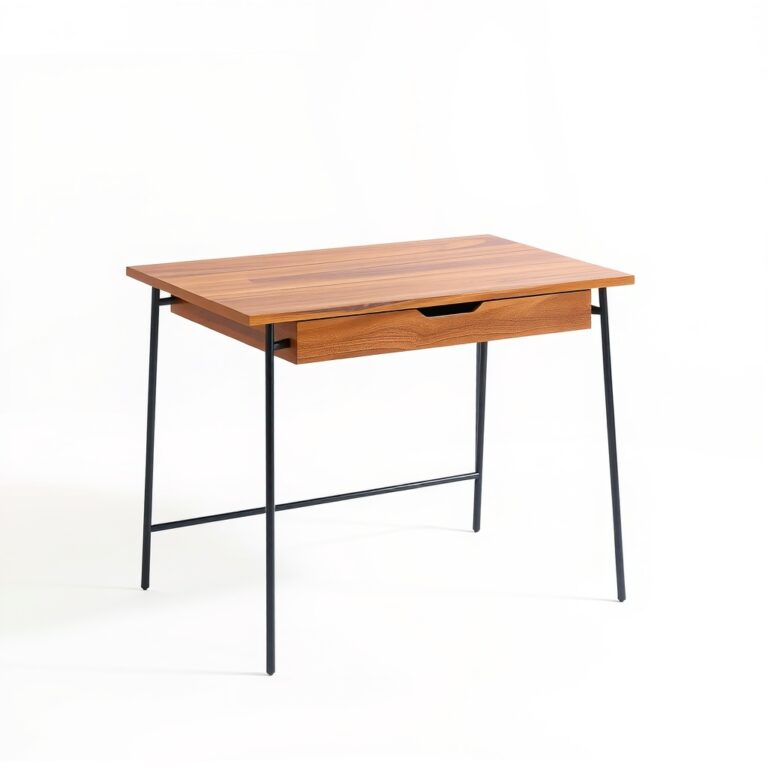
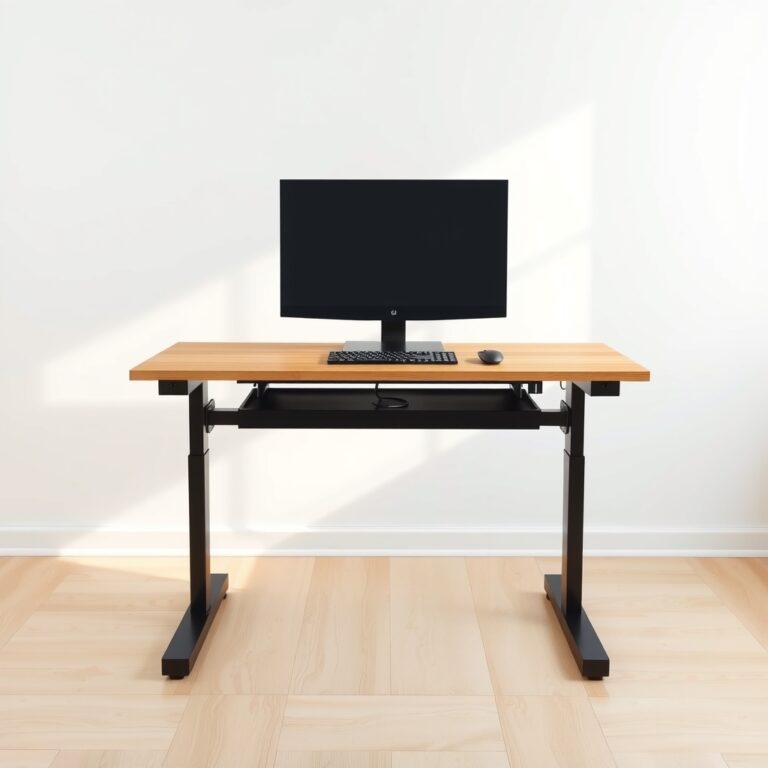
As an Amazon Associate we earn from qualifying purchases, at no extra cost to you. Prices change often, so check the current price on Amazon.
Key Takeaways
- Most frustrations with buying a home office desk online center around not being able to test it out, unclear quality, and complex or costly returns (Home Furnishings Association).
- Material costs, tariffs, and delivery fees drive big price swings—wood-based desks dominated sales in 2025, but metal, acrylic, and sustainability claims matter more than ever (MarketResearchFuture).
- To shop with confidence, focus on detail vetting: scrutinize return policies, seek real material disclosures, and learn to separate true quality from marketing speak.
- What Makes a Desk the Best for Your Home Office?
- Market Trends and What They Mean for Shoppers
- Comparing Desk Types—L-Shaped, Writing, and Computer Desks
- Hidden Costs and What Top Lists Don’t Tell You
- Smarter Shopping: How to Vet a Desk Online with Confidence
- Conclusion
- FAQ
What Makes a Desk the Best for Your Home Office?
Getting the best desk for home office use is more than finding what fits your space—you must contend with the reality of shopping sight-unseen, vague marketing claims, and the dreaded “no returns” fine print. According to the Home Furnishings Association, the top pain points for home office desk shoppers are (1) not being able to try before buying, (2) uncertainty about quality, and (3) complex return rules with high delivery costs looming as a dealbreaker for many.

Online photos can’t tell you how stable or durable a desk feels. Reviews are often contradictory. Many desks—even big-name brands—use engineered wood and veneers but highlight only the top layer in their listings. And if the product wobbles or chips easily, returning it can mean costly repackaging, restocking fees, or waiting weeks for a refund. These user pain points cut to the heart of buying desks online—making purchase anxiety very real.
Market Trends and What They Mean for Shoppers
Desk market conditions in 2024 and 2025 shape what every home office shopper sees—and pays. Alternative materials like plastic, acrylic, glass, or bamboo, while smaller in share, are growing faster than traditional options (MarketResearchFuture).
But it’s not just about buyer preferences. Tariffs such as Section 301 and freight surcharges have put double-digit landed cost pressure on all types of desks in the past two years. This means that prices can change rapidly, and great “deals” online may reflect short-term promotional tactics or supply chain corrections—timing your purchase around sale periods or quick-ship offers can matter.
Shoppers seeking home office desk ideas also notice a clear trend toward flexibility, adjustability, and sustainability. Sustainability claims (like FSC-certified wood or recycled components) are increasingly visible, although it’s important to verify what those claims actually cover (Cadesign Form). Knowing the real material—not just “wood” or “metal”—will help you judge long-term durability and value.
If you need a deep dive into desk ergonomics or want to compare standing desks and sitting models for health, try our resources on standing desks and ergonomic setups in how to set up an ergonomic home office.
Comparing Desk Types—L-Shaped, Writing, and Computer Desks
Desk design and construction influence not only your daily work experience but space, flexibility, and pricing as well. Here’s how the three major types stack up—each with its strengths and drawbacks.
| Desk Type | Pros | Cons | Best For |
|---|---|---|---|
| L Shaped Desk | Maximizes corner space Great for dual monitors Room for printers, files |
Requires more floor area Can be heavy/difficult to move May have Check price |
Dedicated office rooms, power users, multitaskers |
| Writing Desk | Simple/minimal look Fits small spaces well Usually light and easy to move |
Limited surface area Few built-in storage options May lack cable holes/openings |
Living rooms, apartments, occasional use |
| Computer Desk | Optimized for tech layouts Often comes with shelves/cubby holes Some models offer keyboard trays |
Styling can be utilitarian May not blend with “homey” décor Vary in sturdiness/material |
Heavy computer use; dedicated tech needs |
However, adjustability often adds cost and complexity to shipping or assembly. The best type for your home will hinge on space, how much tech you use, and your actual workflow preferences—there’s no true one-size-fits-all. For more analysis on sit-stand desk benefits, see standing desk vs sitting desk.

Take time to measure your office, sketch your computer and accessory needs, and factor in nearby outlets and lighting. If space is at a premium, our standing desk for small spaces guide might help.
Hidden Costs and What Top Lists Don’t Tell You
Most “best desk for home office” roundups ignore the hidden costs that can quickly make a supposed bargain desk unaffordable. Rising freight prices, hardwood fluctuation, and Section 301 tariffs have added persistent landed-cost pressure since 2023 (MarketResearchFuture). This means that advertised prices don’t always include final costs, and “free shipping” often comes with conditions or is baked into the product markup.
High delivery costs can sneak up especially for large, flat-packed desks. Return policies matter—some brands charge restocking or return freight fees, which are seldom highlighted in product pages. According to the Home Furnishings Association, these issues routinely frustrate customers who thought they found a great deal. Always read the full return and delivery policy, looking for exceptions (like “only unopened boxes qualify” or “account credit, not refund”).
Material sourcing and “green” claims are also buried in the fine print. If you care about sustainability, dig deeper—ask for third party certification or clarification about recycled content. Want to understand how seating and desks work together for comfort? See our in-depth guide on how to choose an office chair or compare mesh vs leather office chair options.
Smarter Shopping: How to Vet a Desk Online with Confidence
While buying the best desk for home office use online brings risks, most can be reduced with smart, practical steps that go beyond reading star ratings.
Here’s how to vet your shortlist like a pro:
- Review Return Policies: Read the fine print—not just the headline. Watch for restocking fees, time limits, and who pays return freight on big/bulky items.
- Request Swatches or Samples: Many vendors will send a small material or color sample free or for a modest fee. This is key for matching decor and judging true quality.
- Validate Dimensions: Measure your workspace (and hallways or narrow doors for delivery!) against the actual assembled size and not just “box size.”
- Check Materials and Certifications: Ask if all desk surfaces are solid wood, MDF, plastic, or mixed. Look up material codes or certifications like FSC or Greenguard Gold if sustainability or health are a concern.
- Scrutinize User Reviews: Seek out detailed, critical feedback: Are there complaints about assembly, packaging damage, hardware quality, or delivery delays?
- Double-Check Assembly: Some desks are simple; others need hours and a helper. Verify if the package includes hardware, if tools are required, and if instructions are clear (user-uploaded assembly photos are gold).

If you want extra guidance choosing add-ons like monitor arm for home office or lighting, our monitor arm for home office and home office lighting ideas posts walk you through ergonomic upgrades and setup hacks.
Conclusion
The desk market in 2026 offers more choice—and more buyer confusion—than ever. Variations in material, delivery, and policy details put risk on you, the shopper. Use the actionable strategies above to push past the most common frustrations and zero in on real-world quality, not just pretty pictures. By demanding clarity on returns, checking real buyer images, and requesting samples where possible, you have a much better chance of landing the best desk for home office—one that fits your workflow, your space, and your peace of mind. Ready to build your next-level workspace? Begin by exploring our top office chair reviews and expert guide on standing desks for those essential upgrades.
Keep reading
- Our office chair reviews: ergonomic, mesh, executive and gaming chairs compared.
- Standing desks: what to look for before you buy.
- How to set up an ergonomic home office: a step-by-step guide.
FAQ
What materials last longest for home office desks?
Wood-based desks, especially solid wood or high-quality engineered wood, remain the most durable, with metal desks also performing well for daily use. However, always check for details about construction and finish—the top layer or veneer may be thin or prone to chipping in cheaper models ().
Can you return large desks bought online?
It depends on retailer policy. Complex return procedures and high delivery (and return freight) costs are a common pain point. Always read the fine print for restocking fees and whether the retailer covers return shipping ().
What’s the easiest desk type to assemble?
Writing desks tend to be the simplest due to fewer components and minimal hardware. L-shaped and standing desks are usually most complex; if assembly skill is limited, look for models with pre-installed hardware or white glove delivery services for large desks.
Do sustainable or “green” desks really make a difference?
Sustainability claims are increasingly visible, but their real impact depends on sourcing, manufacturing, and durability. Look for credible certifications (like FSC) and ask for specifics on recycled content or eco-friendly practices ().
How can I check if a desk will fit my monitor arm or accessories?
Check for clear desktop measurements and the thickness/material of the desk where you’d clamp a monitor arm. Look for user-uploaded photos in reviews to see real setups, and compare with your existing hardware before buying. See our monitor arm buying guide for more details.
Ready to choose?
L-shaped desk
Room for two monitors and paperwork; fits a corner.
As an Amazon Associate we earn from qualifying purchases, at no extra cost to you. Prices change often, so check the current price on Amazon.