

Reader-supported: when you buy through our links we may earn a commission, at no extra cost to you. As an Amazon Associate we earn from qualifying purchases. Learn more
How to choose an office chair is one of the most overlooked financial and productivity decisions in modern workspaces. Yet, when budgets are tight and health matters, a transparent, research-driven office chair buying guide should reveal facts most guides ignore—like true costs over the chair’s lifespan, durability details, and clear feature-value tradeoffs. This article breaks that silence using real market evidence and figures, not vague advice.
Our picks for this guide
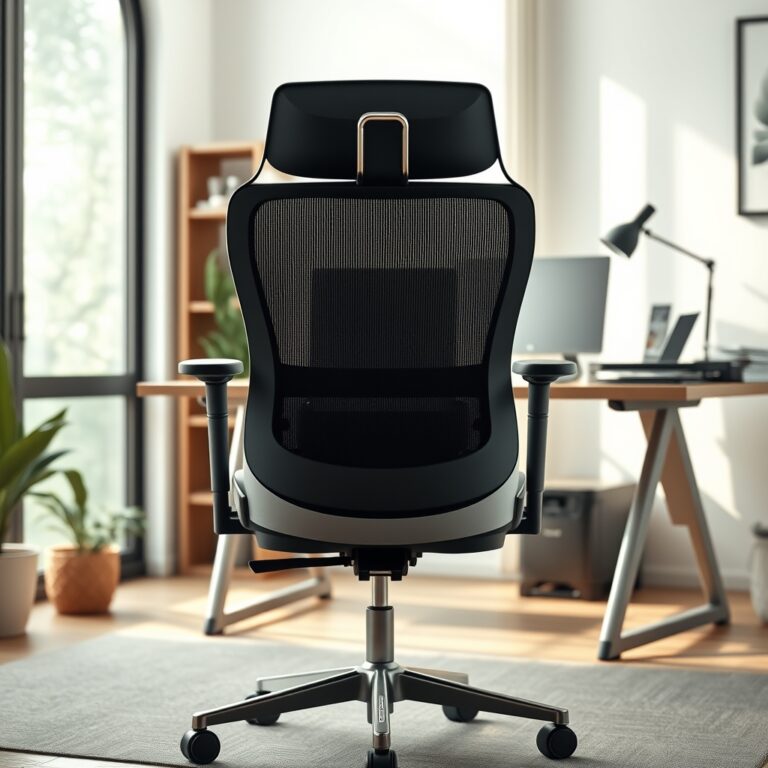
Worth It in 2026?
Adjustable lumbar, 3D armrests and headrest.
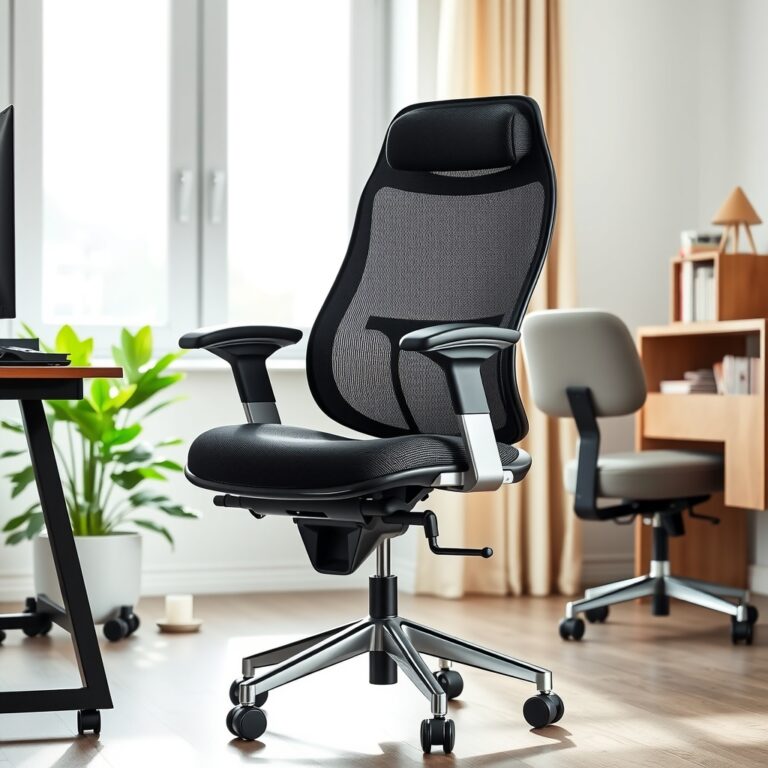
Worth It in 2026?
Lumbar support and an executive look at a budget price.
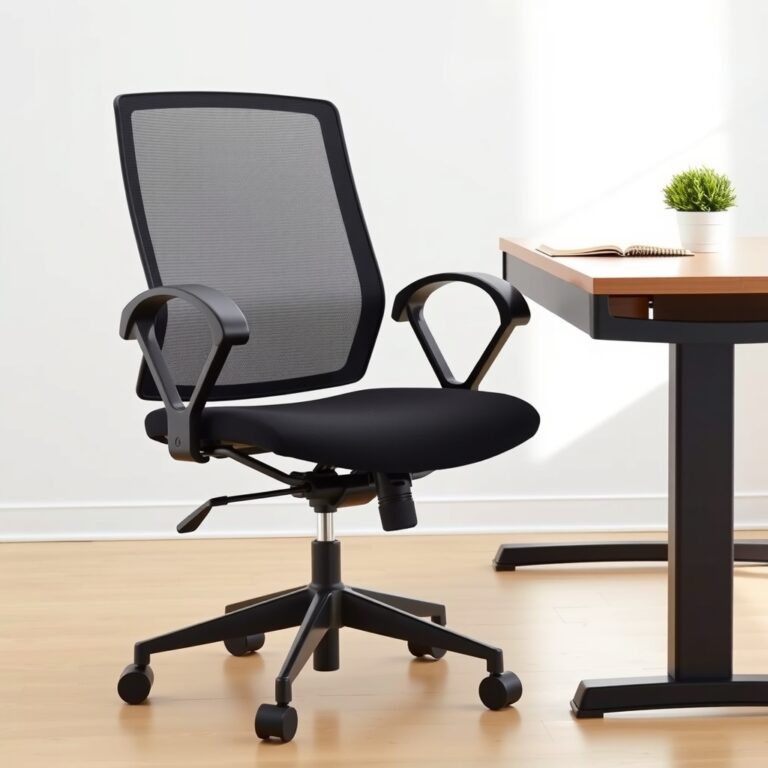
Worth It in 2026?
A simple mesh chair for shorter sessions.
As an Amazon Associate we earn from qualifying purchases, at no extra cost to you. Prices change often, so check the current price on Amazon.
Key Takeaways
- [3] [1]
- Most buying guides skip hard data on seat depth, durability, pricing by feature, and warranty terms—missing crucial factors for cost and longevity.
- Getting value means checking not just comfort adjustments, but warranty length, real-world dimensions, and total cost of ownership over time.
- Why Choosing the Right Office Chair Matters in 2026
- Essential Office Chair Features That Affect Comfort and Cost
- What Most Office Chair Buying Guides Miss
- Hard Facts Buyers Need: Prices, Dimensions, and Warranty
- How to Make the Best Choice: Balancing Cost, Ergonomics, and Longevity
- Conclusion
- FAQ
Why Choosing the Right Office Chair Matters in 2026
The workplace is changing—remote, hybrid, and office-based work all revolve around the same question: does the chair support worker health and productivity, without draining budgets? Market research confirms this search has real economic weight. [1]

Why so much spending? US employers, risk managers, and insurers see direct links between workplace chair quality and reduced injury rates, absenteeism, and return-to-work times. Investing up front in better office chairs is often justified by the potential savings on medical claims and lost productivity. This is not abstract: pain from poor seating can lead to repetitive strain injuries and back pain, two leading drivers of worker compensation claims in North America. For more on health-driven chair selection, see our best office chair for back pain guide.
Essential Office Chair Features That Affect Comfort and Cost
The “office chair features” that matter most fall into two categories: ergonomic adjustability and material quality. [6] Market leaders spotlight armrests, seat depth, seat height, lumbar support, tilt tension, and backrest locking as critical adjustments.
Why does it matter? The more truly adjustable the chair, the wider it fits (literally). A fixed-height seat might keep costs low, but it will not fit a tall engineer and a petite admin equally well. Components like 4-way adjustable armrests and variable seat depth add $50–$150 to cost tiers (as of October 2026), but extend the chair’s service for different body shapes.
- Seat Depth: Deeper seats support tall users but may reduce circulation for shorter users unless adjustable. Typical seat depths range from 16–21 inches.
- Seat Width: Most chairs offer 17–20 inches, but wider options are necessary for all-day comfort, especially for larger users.
- Armrests: 2D (height/width) or 4D (height/width/depth/rotation) options improve ergonomic fit. Fixed armrests can limit usability and cause shoulder fatigue.
- Backrest Height: High-back models support taller users and those working long sessions.

- Lumbar Support: Height-adjustable lumbar support keeps the lower back in healthy alignment, making it a priority for those with back pain.
- Materials: Mesh offers breathability and lower prices; leather may provide longevity but at higher cost and heat retention. For a deep comparison, see our mesh vs leather office chair breakdown.
For buyers furnishing small offices or home workstations, compact frame chairs with substantial adjustments can also be found—see our guide to standing desks for complementary spatial strategies.
What Most Office Chair Buying Guides Miss
Most “office chair buying guide” articles online focus on basic ergonomic principles and a handful of adjustment levers. But there are three major gaps that can cost buyers dearly:
- No seat depth/height performance metrics tied to durability: It is rare to find guides quoting actual performance or failure data on main adjustments like seat depth or height over years of use.
- Absence of standardized durability or lifecycle criteria: Vendors seldom publish cycle-test data (e.g., “X adjustments expected life”; “Y weight capacity holding up after 80,000 cycles”), and guides rarely press for this.
- Missing total cost-of-ownership (TCO) analysis: Warranty length and what’s actually covered, as well as estimates of real chair service life, are barely mentioned, even though these drive business value.
| Feature/Oversight | Typical Guide Coverage | Reality/Buyer Need |
|---|---|---|
| Seat Depth, Height, Armrest Adjustability | Described in general terms, not with test data | Seek quantitative range & test/cycle standards |
| Durability Standards | Often ignored | Look for cycle-tested specs and weight certifications |
| Total Cost (Including Warranty, Replacement Parts) | Rarely addressed | Request all-in cost, including warranty length and parts |
How do you avoid these problems? Dig into the manufacturer’s documentation and ask sales reps hard questions on warranty, expected service life, and actual use cases. For tips on how to evaluate products for small spaces and awkward rooms, our standing desk for small spaces guide is a useful parallel for office chairs.
Hard Facts Buyers Need: Prices, Dimensions, and Warranty
The research makes one point abundantly clear: buyers want hard numbers, not vague promises. These are the specifics most missing from online “how to choose an office chair” guides:
- Price Bands:
- Entry-level task chairs (fixed arms, limited adjustability) start around $80–$150 at the time of writing.
- Mid-tier (with seat height, tilt, and limited armrest control) typically run $200–$350.
- Fully adjustable ergonomic chairs (multiple tilt, seat depth, 4D arms) often cost $400–$900, with premium models up to $1300 or more (October 2026 market).
- See an example here: HON Ignition 2.0 on Amazon.
- Dimensions: Key for fit and comfort—typical seat width ranges from 17″ to 21″, seat depth from 16″ to 20.5″, and backrest heights from 18″ to 26″. Check manufacturer cut-sheets for precise specs. These ranges ensure support for both short and tall users.
- Warranty Specifics:
- Budget chairs: 1–2 years, parts-only coverage.
- Mid-market: 3–5 years, may include wear-and-tear.
- Premium: 10–12 years, often covering frame, mechanisms, sometimes even fabric and gas lifts.
- Always confirm which components and “intended use” (hours/day) are covered—office, home office, or 24/7 environments often have different terms.
Comparing this hard data before buying, not after, saves headaches and budget over the long haul. Our ergonomic home office setup guide also addresses how correct chair selection links to proper desk and monitor height.
How to Make the Best Choice: Balancing Cost, Ergonomics, and Longevity
Choosing a great chair is about strategic value, not simply buying the most expensive model. A practical process involves:
- Define Workspace & Use Case: Who will use the chair, for how many hours? Home offices may have broader needs than institutional setups. For compact needs, cross-reference with standing desk for small spaces reviews.
- Set Budget Bands & Feature Requirements: List must-haves (e.g., seat depth, adjustable lumbar) and nice-to-haves (e.g., high-back, 4D armrest). Compare feature lists to price brackets noted above.
- Check Dimensions vs. Real User Body Types: Measure usual user height/weight, then match to manufacturer’s seat/back range and weight rating.
- Request Warranty & Durability Documentation: If not public, ask. Long warranties and cycle-test data often separate reliable products from short-life bargains.
- Estimate Total Cost of Ownership (TCO): Weigh up-front price against years of warranty and likely repair needs. Employers and insurers in the US often justify investing in better chairs via direct injury cost savings—spending more early can mean years of productivity. [1] [7]
Creating a simple checklist helps:
- ✅ Adjustable seat depth and height
- ✅ ergonomic armrest controls
- ✅ Lumbar support (preferably adjustable)
- ✅ Seat/back dimension fits primary users
- ✅ Warranty length and coverage clear
- ✅ Manufacturer publishes cycle-test/durability data (if available)
- ✅ Realistic TCO (price per year of expected use, including repairs or replacement needs)

For users considering an all-day sit/stand setup, see standing desk vs sitting desk for practical workspace strategies.
Remember, reviewing total cost isn’t just about saving money—but boosting comfort so costly sick days and injuries are truly avoided.
Conclusion
With the right research, the overwhelming task of how to choose an office chair becomes a matter of logic and numbers—not luck. Focused buyers should press for transparent seat and armrest adjustments, double-check warranty and durability terms, and weigh not just the up-front price but the years of comfort and workplace well-being a solid chair can deliver. Ready to act? Audit your current workspace, list specific feature and size needs, and compare shortlists using the points above—it pays off faster than you think.
Keep reading:
- Office Chair Reviews – Research-based reviews of popular office chairs
- Standing Desk Guide – Complete guide to standing desks for all office types
FAQ
How do I measure if an office chair will fit my body?
Compare your thigh length, hip width, and back height to the listed seat depth, seat width, and backrest dimensions on the manufacturer’s sheet. There should be 2–3 inches between the front seat edge and the back of your knees for good circulation.
What warranty length is considered good for an office chair?
A good office chair warranty covers at least 5 years on mechanical parts, but many premium models offer 10 years or more, often with broader coverage for frames, mechanisms, and sometimes upholstery. Always check if it’s for business or home use.
When does it make sense to spend more on an office chair?
Upfront investment pays off if the chair gets 6+ hours per day of use, or if preventing back/wrist pain is a priority. Total cost of ownership typically drops when a chair lasts a decade with full adjustability and warranty support, even if the initial price is higher.
What are the most important adjustable features in an office chair?
Top priorities are seat height, seat depth, armrest adjustability (preferably 2D or 4D), and lumbar support that can be moved to match your spine’s curve. Each feature should be easy to adjust without tools during your workday.
How does chair material affect durability and comfort?
Mesh chairs typically offer better airflow and cost less, but heavy-duty mesh and frames matter for durability. Leather or vinyl provides more traditional comfort but may get hot and show wear sooner in some climates. For a full analysis, check our mesh vs leather office chair guide.
—
Ready to choose?
Worth It in 2026?
Adjustable lumbar, 3D armrests and headrest.
Worth It in 2026?
Lumbar support and an executive look at a budget price.
Worth It in 2026?
A simple mesh chair for shorter sessions.
As an Amazon Associate we earn from qualifying purchases, at no extra cost to you. Prices change often, so check the current price on Amazon.