

Reader-supported: when you buy through our links we may earn a commission, at no extra cost to you. As an Amazon Associate we earn from qualifying purchases. Learn more
Best monitor arm for home office setups are not just about aesthetics—they impact your comfort, productivity, and the long-term value of your workspace investment. Before you add a sleek dual-monitor or gas-spring arm to your desk, it’s essential to understand the real-world challenges that most guides skip.
Our picks for this guide
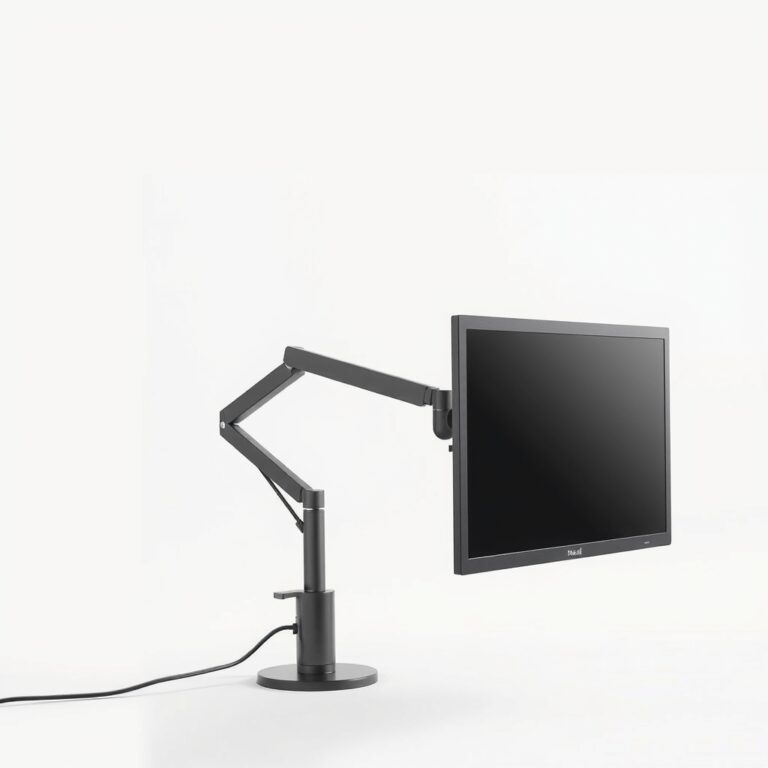
Single monitor arm
Check the VESA size and weight limit of your monitor first.
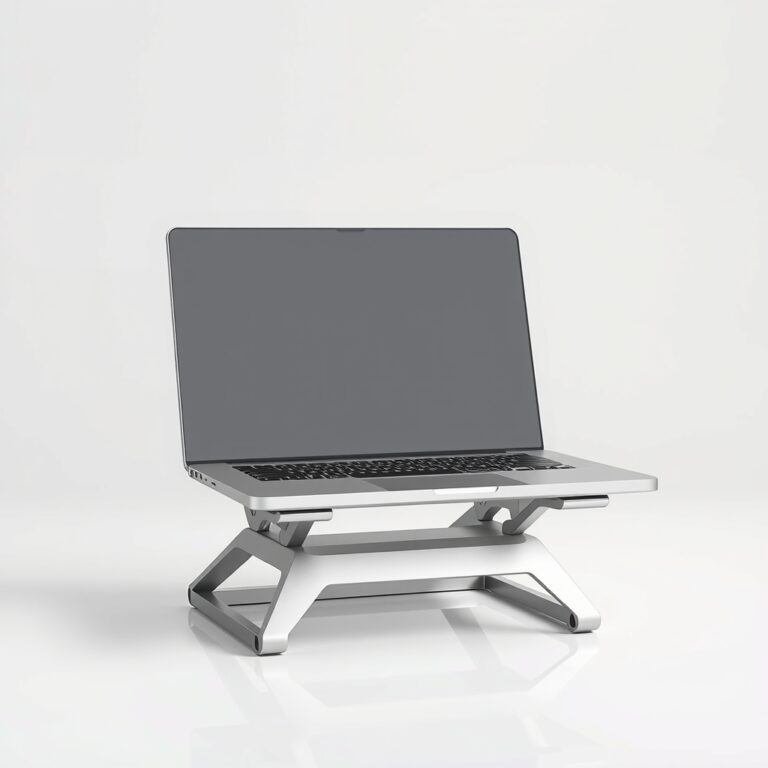
Laptop stand
Raises your laptop screen; pair it with an external keyboard.
As an Amazon Associate we earn from qualifying purchases, at no extra cost to you. Prices change often, so check the current price on Amazon.
Key Takeaways
- The best monitor arm for home office setups must fit your space, support your monitors, and offer reliable mounting options beyond just good looks.
- Dual and gas-spring monitor arms often present hidden problems: wall clearance, tricky VESA compatibility, and alignment challenges are common.
- Price is only one part of the story—consider durability, installation headaches, and long-term flexibility when choosing a monitor mount.
- Why Your Home Office Needs the Right Monitor Arm
- Real-World Pain Points with Monitor Arms (and How to Solve Them)
- Buying Guide: What Specs Matter for a Home Office?
- Price Ranges & Long-Term Value
- The Gaps in Guidebooks: What Most “Best Monitor Arm” Lists Miss
- Conclusion
- FAQ
Why Your Home Office Needs the Right Monitor Arm
Strong monitor arm setups do much more than clear desk space: they can reduce eye, neck, and shoulder strain and let you position displays at the best height and angle for your body. In a home office, especially with dual monitors or a gas spring monitor arm, the stakes are higher—your desk layout, device compatibility, and ergonomics must fit into tight, multipurpose spaces.
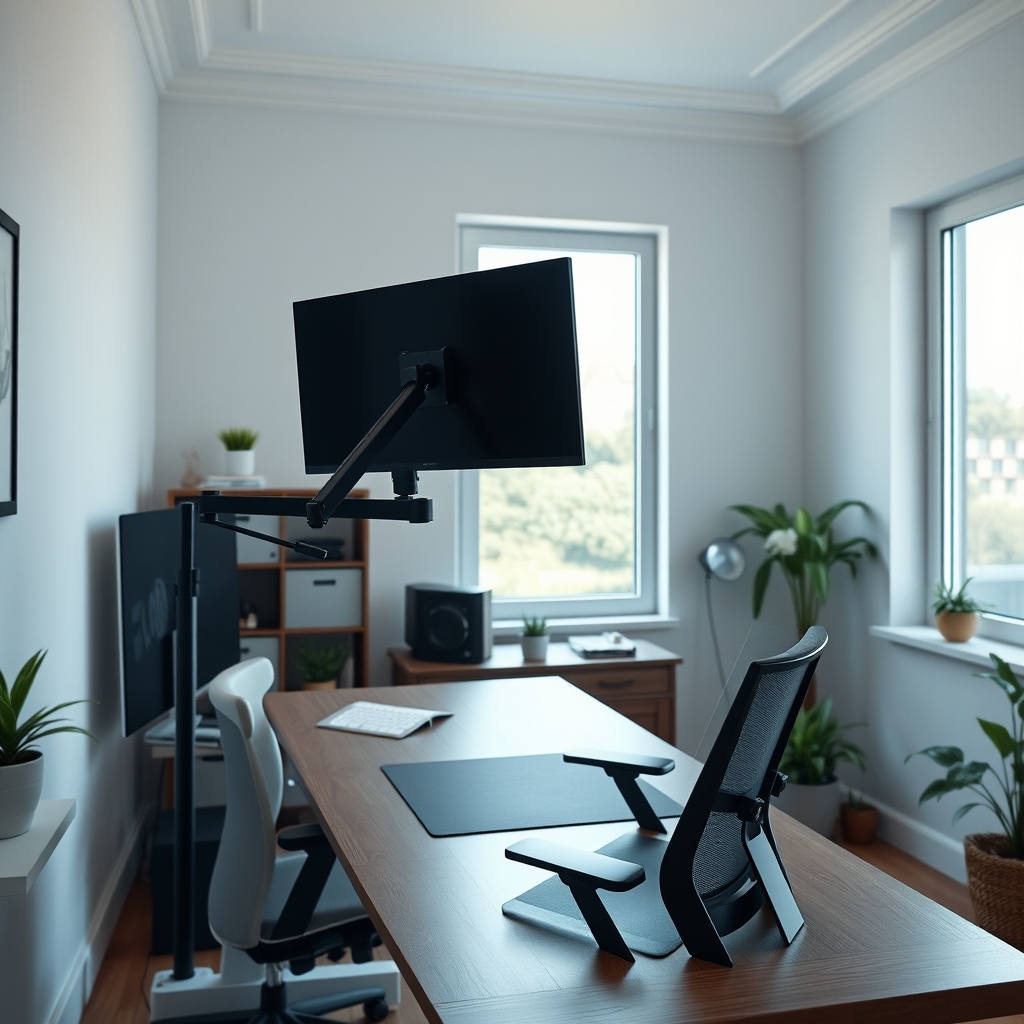
While single-screen arms are simple, modern home office workers often want dual monitor arms or ultra-wide monitor arms to create a streamlined, productive environment. But choosing poorly can create as many problems as it solves.
Dual monitor arms and gas spring arms in particular promise adjustability and minimal clutter, but not every product fits every situation or desk. Setup complications, wobbly arms, and VESA compatibility headaches disrupt more remote workdays than most buyers expect.
If you’re building a workspace for focus and comfort, getting the best monitor arm for home office use means thinking past the sales pitch and anticipating these daily realities.
Real-World Pain Points with Monitor Arms (and How to Solve Them)
When researching any dual monitor arm or gas spring monitor arm, home office users encounter a series of challenges that rarely show up in top 10 lists. Understanding these issues can save you time, money, and frustration.
- Wall Clearance Issues: According to several long-term users, the most frustrating and overlooked issue is hitting the wall when you try to position or swing your monitor arm. Standard arms often need 6 to 10 inches behind the desk, which many small home offices can’t spare (YouTube).
- Inconsistent VESA Patterns: Not every monitor (especially older or budget-friendly models) follows the standard 75x75mm or 100x100mm VESA mount pattern (BenQ). If your arm doesn’t match, installation can grind to a halt, or you may need special adapters.
- Clamp and Grommet Mount Frustrations: Clamp mounts seem simple, but thick desks or those with under-mounted lips can present problems. Grommet mounts require drilling a hole, which is a deal-breaker for many renters or those with solid-top desks (Brateck).
- Instability and Sagging: Cheaper gas spring monitor arms, especially when used at their weight limit, often droop over time or wobble as you type. This leaves screens misaligned or moving, which distracts in video calls and creative work (YouTube).
- Dual Monitor Alignment: Even with premium dual monitor arms, perfectly leveling two different monitors or keeping them flush after adjusting height can require careful balancing, repeated tweaks, and, sometimes, physical shims.
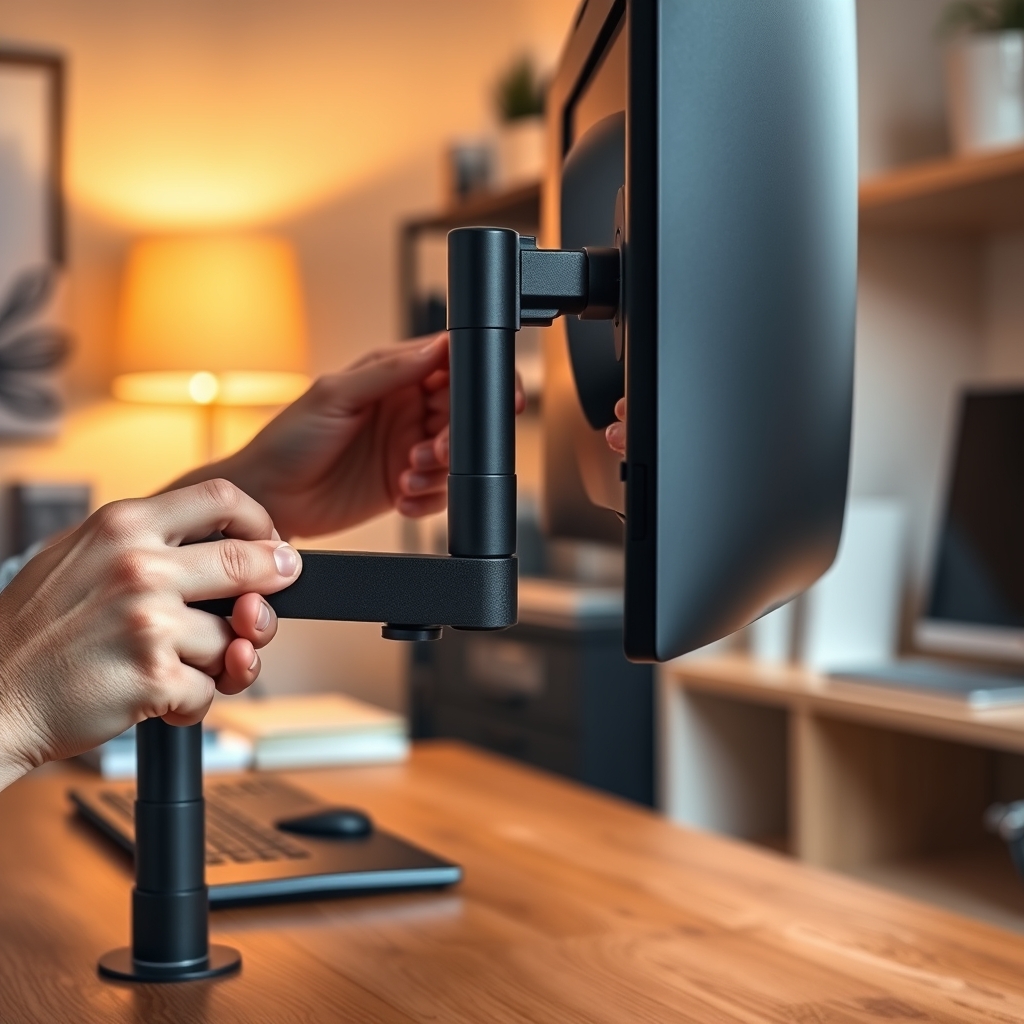
Being aware of these problems up front lets you choose a standing desk or monitor mount for desk that actually matches your constraints and needs. Some arms are more forgiving than others, and reading real-world reports instead of just spec sheets reveals which ones actually perform in small, multi-use spaces.
For more inspiration on building a comfortable setup for long days, see how to set up an ergonomic home office.
Buying Guide: What Specs Matter for a Home Office?
With hundreds of monitor arm options on the market, it’s easy to get lost in technical language. The truth is, only a few specs actually determine if a monitor arm will serve your home office well—especially when considering a monitor mount for desk or a gas spring monitor arm. But there’s a catch: details like weight limits, reach, and even exact VESA support are not always presented clearly in product listings.
- Load Capacity: Always check the minimum and maximum supported weight. Gas spring monitor arms need to stay within this range for smooth adjustment; too light and the arm may spring up uncontrollably, too heavy and it will droop.
- VESA Compatibility: Standard sizes are 75x75mm and 100x100mm, but variations (like 200x100mm for ultrawides) exist. Some monitors come without VESA holes or with recessed patterns that don’t fit flush. Our office chair reviews provide more tips on combining ergonomic accessories for your setup.
- Horizontal and Vertical Reach: This determines how far you can pull your screen forward or swing it to the side. For L-shaped or deep desks, double-check these specs with your desk’s measurements.
- Mounting Options: Clamp mounts are easiest, but not all desks are compatible. Grommet mounts are secure but require more work. Some arms, especially premium models, include both.
Manufacturers rarely provide full transparency on these specs, especially for dual monitor mounts. If clarity matters, seek out companies willing to share detailed diagrams or user manuals prior to purchase (BenQ).
Before you commit, it’s smart to review standing desk guide compatibility if you plan to switch to a sit-stand workstation.
Price Ranges & Long-Term Value
Monitor arm prices can vary dramatically. According to user research, the current average price is around $350 as of July 2024, with a range seen between $176 and $473 (Reddit). This means chasing the absolute lowest price can bring hidden costs down the road—like instability, lack of future-proofing, and a need to replace the arm if your setup changes.
| Price (as of July 2024) | Typical Features | Common Issues |
|---|---|---|
| $175-$250 | Entry level, basic adjustments, single or dual arms | Limited adjustment, wobble, less durable construction |
| $250-$375 | Gas-spring or mechanical arms, most dual mounts, better materials | May lack premium finish, VESA compatibility issues possible |
| $375-$475 | Heavy-duty arms, broad VESA support, long warranties | Bulky hardware, may require complex installation |
Total cost of ownership goes beyond the initial price tag. Consider arm longevity, availability of replacement parts, and if the design will support new monitors if you upgrade. For example, paying a little more upfront for a solid dual monitor arm may prevent the need to re-purchase down the road when your work or monitor changes.
If you’re outfitting your full desk setup, see comparisons like mesh vs leather office chair for other gear that’s worth investing in.
The Gaps in Guidebooks: What Most “Best Monitor Arm” Lists Miss
Almost every “best monitor arm for home office” list stops at features and aesthetics. After synthesizing available research, three critical blind spots appear:
- No Real Durability Data: Most reviews lack feedback about long-term gas spring wear, joint fatigue, or real-world sagging after months of use.
- Poor Mounting Option Coverage: Many guides ignore restrictions on mounting types, even though clamp and grommet mounts do not fit every home desk. Glass tops, thicker edges, or intricate desk designs can complicate every install.
- Total Cost of Ownership Is Skipped: Few lists consider replacement parts, warranty support, or how easy future upgrades will be (BusinessResearchInsights).
Relying on checklist reviews that don’t address these aspects can mean unpleasant surprises. For a full comparison with other office upgrades, check out our office chair reviews and the guide to standing desks.
Conclusion
Choosing the best monitor arm for home office setups requires looking beyond sales copy and specs. Wall clearance, alignment hassles, mounting surprises, and long-term durability should factor into your buying decision as much as design or price. A few minutes of research up front—especially on compatibility and installation—will transform your remote workspace for years to come.
Ready to upgrade? Use the insights above to side-step common mistakes and create a productive home office you won’t have to fix later.
Keep reading:
FAQ
What is the main benefit of a gas spring monitor arm over a mechanical spring arm?
Gas spring monitor arms make height and angle adjustments smoother and require less force than most mechanical spring arms. They allow easy, frequent repositioning, which is helpful for multi-user workstations or shared desks.
Can I use a dual monitor arm on a standing desk?
Yes, but it depends on your desk’s thickness and stability. Make sure the standing desk can support the combined weight and movement, and check clamp or grommet mount compatibility before buying. Explore more in our Standing Desk Guide.
How do I know if my monitor is VESA compatible?
Check the back of your monitor for four screw holes in a square pattern. Most modern monitors support 75x75mm or 100x100mm VESA mounts. Consult your monitor’s specs or manual for confirmation.
Is it safe to drill a grommet hole in a home office desk?
It is safe if the desk is solid wood or particleboard. Avoid drilling glass or hollow-core desks. If you’re renting or want to avoid damage, stick to clamp mounts whenever possible.
Why do my dual monitors keep getting misaligned on the arm?
This usually happens if the arms are stressed to their weight limits or the mounting joints loosen over time. Regular tightening and occasional adjustment can help, but choosing a more rigid design may solve the problem for good.
Ready to choose?
Single monitor arm
Check the VESA size and weight limit of your monitor first.
Laptop stand
Raises your laptop screen; pair it with an external keyboard.
As an Amazon Associate we earn from qualifying purchases, at no extra cost to you. Prices change often, so check the current price on Amazon.